The Ultimate Guide to Staging Your Home for a Quick Sale
7 August 2026
You have two options when you list your home. You can put it on the market as-is and hope buyers see past the clutter, the worn sofa, and the family photos covering every wall. Or you can stage it. The difference is not cosmetic. It is financial. Staged homes sell faster and for more money than their unstaged counterparts. That is not a guess. It is a pattern that has held up across markets for decades.
But staging is not about buying expensive furniture or turning your house into a sterile showroom. It is about helping a buyer imagine their life in the space. When done right, staging removes the mental work a buyer has to do. When done wrong, it wastes money and time. This guide walks you through the entire process, from the first walkthrough to the final touch before showings, with the reasoning behind every step.
Why Staging Matters More Than You Think
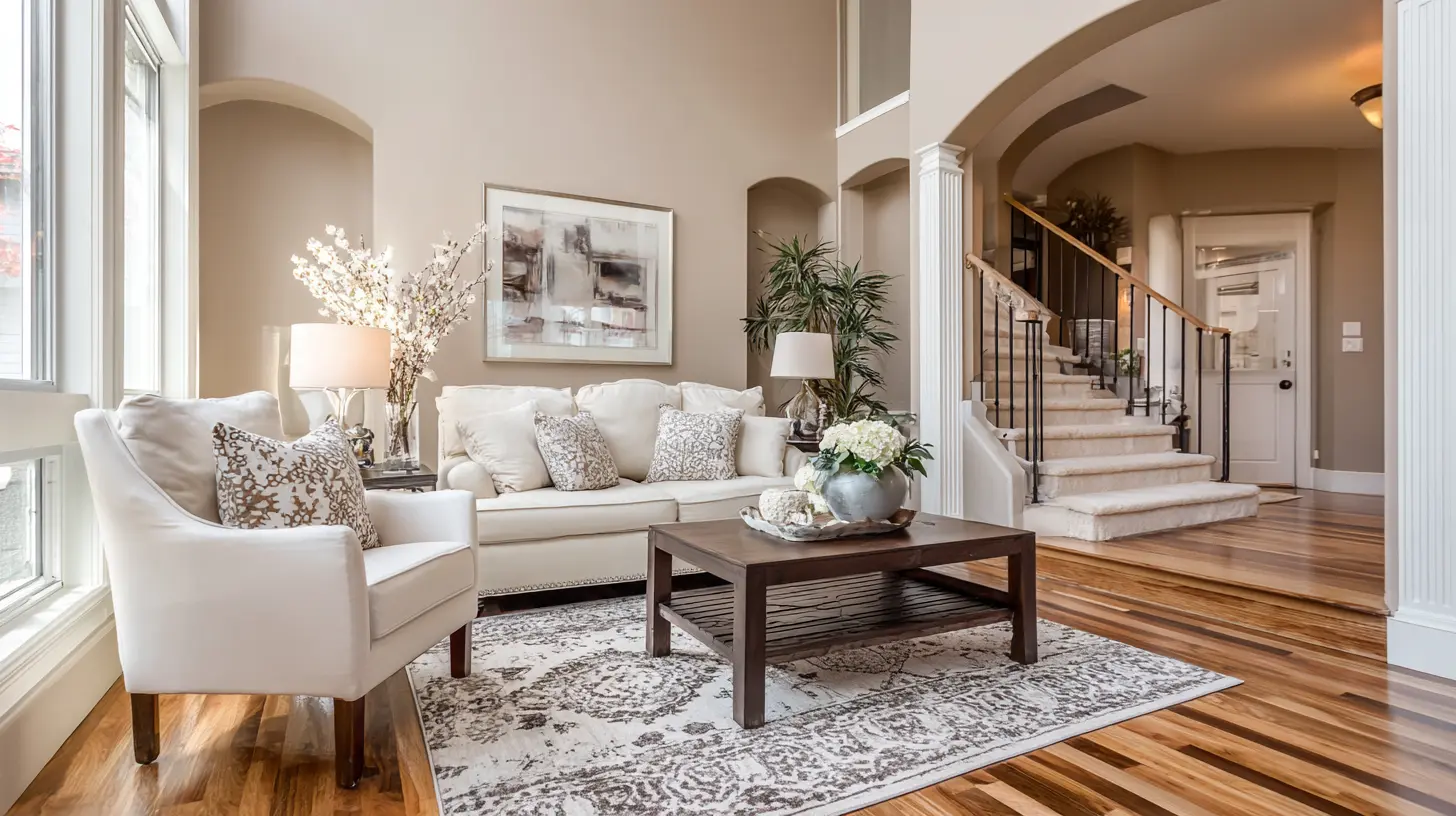
Most buyers are not architects. They cannot look at a room and automatically see where their couch would go or how their kids would use the space. They see your stuff, your style, and your mess. That creates friction. Friction makes them hesitate. Hesitation leads to low offers or no offers.Staging solves this by depersonalizing the home and neutralizing the design. The goal is to make the house feel like a blank canvas that is still warm and inviting. You want the buyer to walk in and think, "I could live here," not "This is a nice house, but I would have to change everything."
There is also a psychological component. A staged home signals that the property has been cared for. It suggests that the roof, the plumbing, and the electrical systems are likely in good shape too. Buyers transfer the visual order of a room to the unseen mechanics of the house. That is a powerful shortcut, and it costs you nothing extra.
The First Step: Declutter Before You Clean
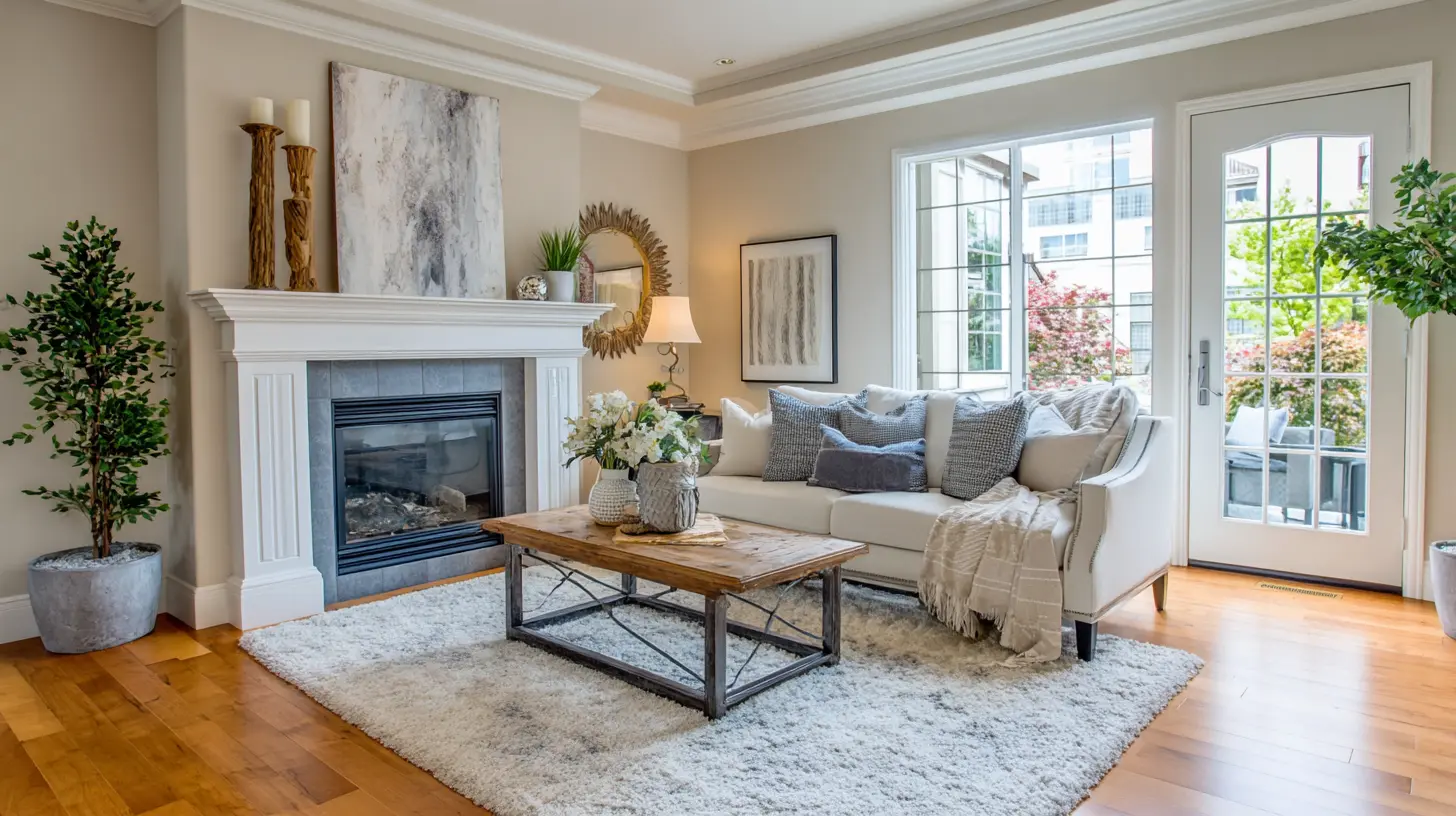
Staging is not cleaning. Cleaning is removing dirt. Decluttering is removing stuff. You cannot stage a room that is full of personal items, excess furniture, or storage boxes. The space has to breathe before you can style it.Start with a ruthless edit. Go room by room and remove anything that is not essential to daily living. That includes:
- Magazines and mail stacked on counters
- Toiletries on the bathroom sink
- Coats on hooks by the door
- Shoes by the entrance
- Kid artwork on the fridge
- Personal photos on shelves and tables
- Collections of any kind, whether it is figurines, books, or wine bottles
You are not throwing these things away. You are packing them. Rent a storage unit if you have to. A 10x10 unit is enough for most homes. The cost is small compared to the price reduction you would take for a cluttered listing.
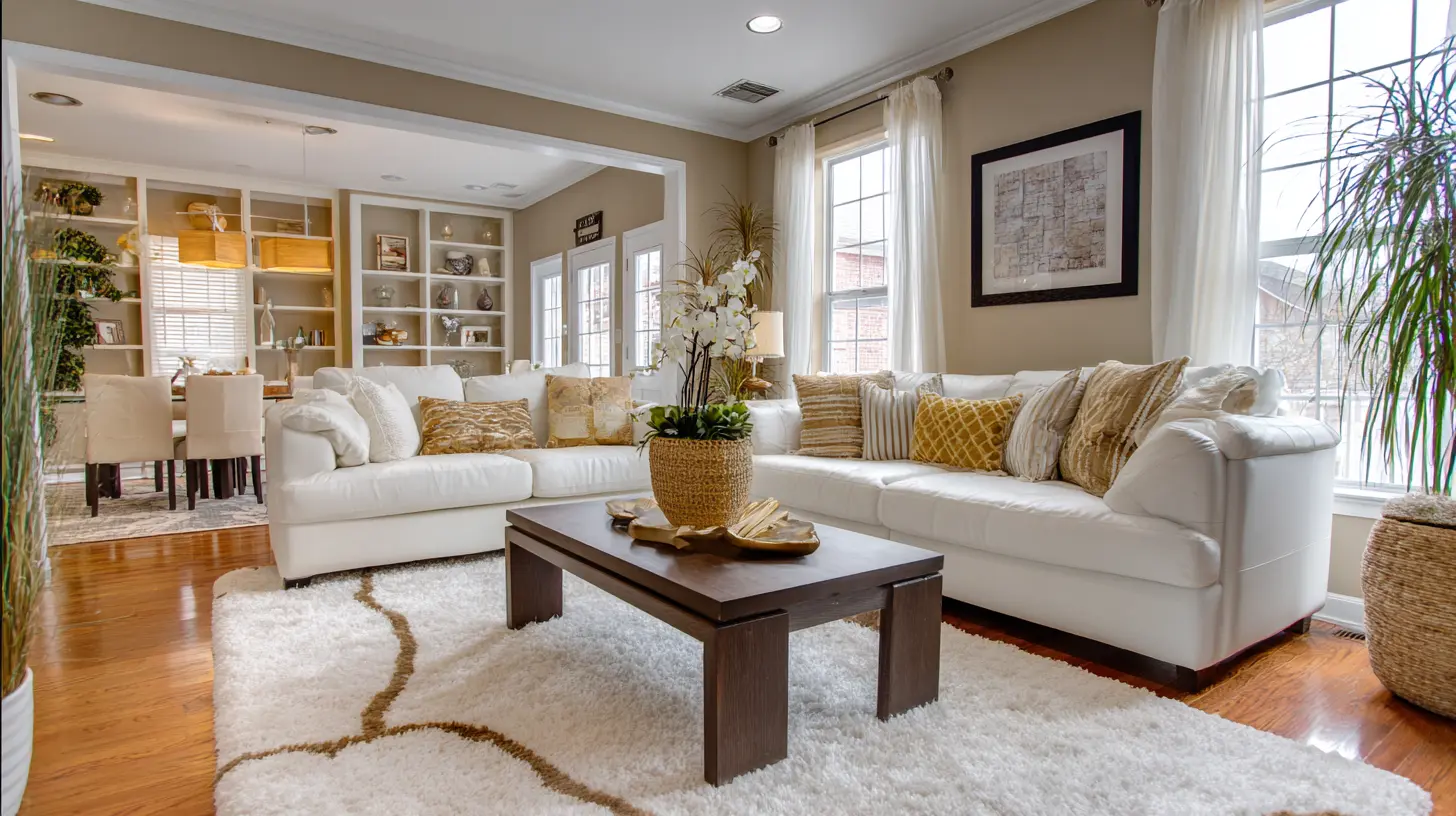
The key is to remove about 50 percent of the items in each room. That sounds extreme, but it is necessary. Buyers need to see the architecture, not your belongings. When in doubt, pack it. You can always bring it back after the sale.
Deep Cleaning: The Non-Negotiable
Once the clutter is gone, you need a level of clean that is different from your normal routine. We are talking baseboards, window tracks, light switches, and the inside of the oven. Buyers open doors. They look under sinks. They run their fingers along the top of the door frame. If they find dust or grime, they start questioning the maintenance of the entire house.Pay special attention to these areas:
- Kitchen backsplash and grout
- Bathroom caulk and tile
- Inside the refrigerator and dishwasher
- Exhaust fans and vents
- Windows inside and out
- Interior doors and handles
- Light fixtures and ceiling fans
If you have pets, you have a bigger job. Pet odors are the fastest way to kill a sale. You might be used to the smell, but a buyer walking in from fresh air will catch it immediately. Wash all bedding, shampoo the carpets, and consider an ozone treatment if the smell has set into the walls or floors. Do not mask it with air fresheners. That only makes buyers suspicious.
Neutralizing Your Palette
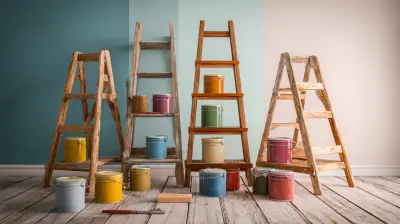
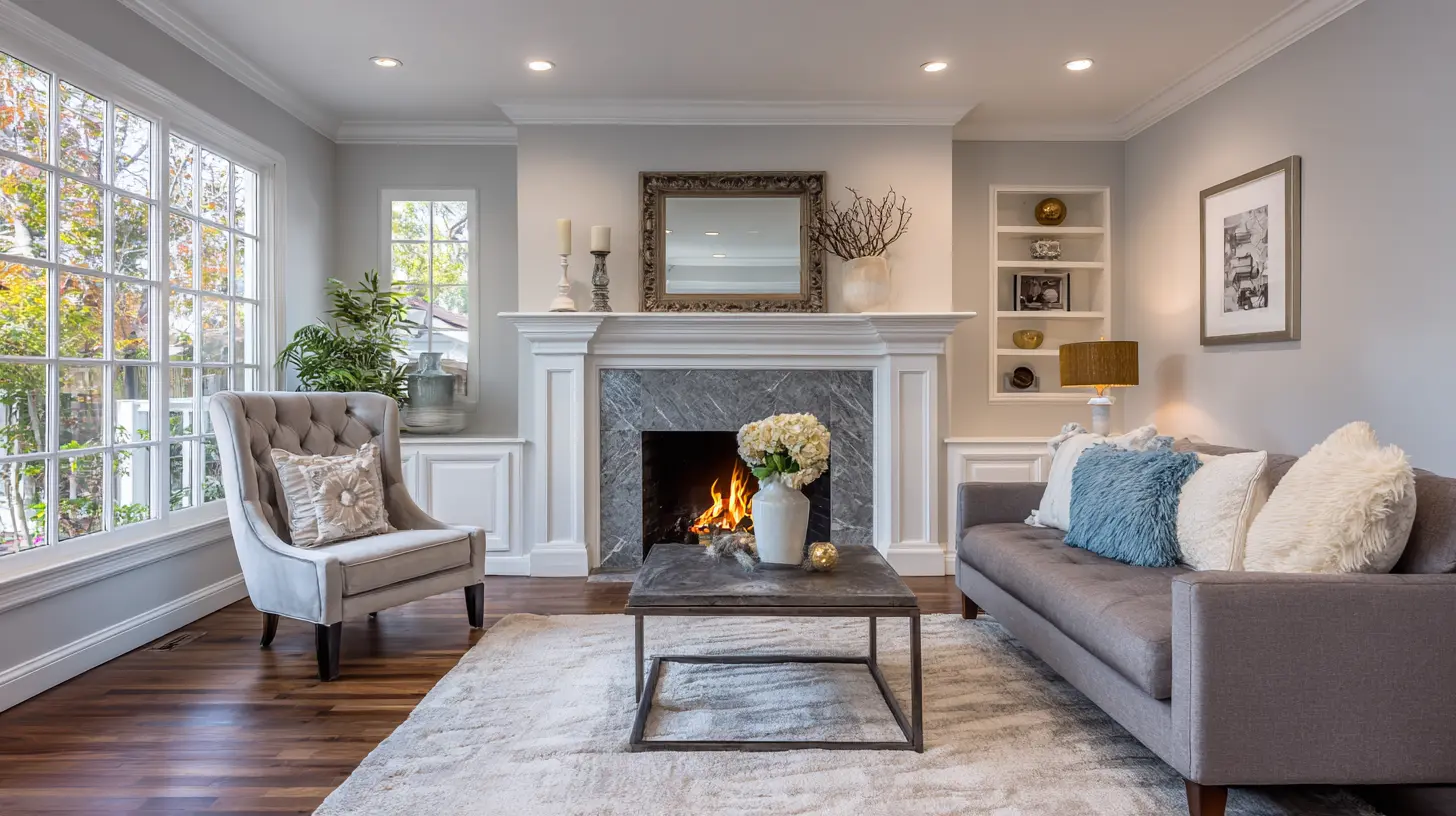
You may love your bold red accent wall or your deep purple bedroom. Buyers will not. Personal color choices are the single biggest barrier to a buyer visualizing the home as their own. The fix is simple: paint.Use a warm white or a light greige for all main living areas. These colors reflect light, make rooms feel larger, and work with any furniture style. Avoid stark white, which can feel cold and clinical. Avoid beige, which can look dated. A soft greige like accessible beige or agreeable gray is the safest choice for resale.
You do not have to repaint every room. Focus on the ones that matter most: the living room, kitchen, primary bedroom, and any room with a bold color. If your trim is a different color than the walls, consider painting it the same color as the walls. This creates a seamless, modern look that buyers appreciate.
The cost of paint is low. The return is high. A few hundred dollars in paint can add thousands to your final sale price. It is the highest ROI improvement you can make before listing.
Furniture Arrangement: The Rule of Conversation
Once the walls are neutral and the space is clean, you need to look at your furniture. Most homes have too much furniture. Buyers trip over coffee tables and squeeze past oversized sofas. That is a problem.The rule is simple: every room should have a clear path and a defined purpose. In the living room, arrange seating so that people can talk to each other without shouting. The sofa should face the focal point of the room, usually the fireplace or a large window. Do not push all furniture against the walls. Floating pieces in the center of the room makes the space feel larger and more intentional.
In the dining room, use a table that fits the room. If your table is too large, the room feels cramped. If it is too small, the room feels empty. The ideal is about three feet of walking space around the table.
For the primary bedroom, the bed should be the first thing you see when you enter. Place it on the wall opposite the door if possible. Use a headboard. A bed without a headboard looks unfinished. Add two nightstands and lamps for symmetry. Remove any extra furniture like a chaise lounge or a large dresser that blocks the path.
The Power of Light
Dark rooms feel small. Bright rooms feel open. Before you list, maximize the natural light in every room.Start by washing all windows. Clean glass lets in significantly more light than dirty glass. Remove heavy drapes and replace them with sheer curtains or nothing at all. If you have blinds, pull them all the way up during showings.
Then add artificial light. Every room should have three sources of light: overhead, task, and accent. In the living room, that means a ceiling fixture, a floor lamp, and a table lamp. In the kitchen, under-cabinet lighting makes a huge difference. In the bedroom, bedside lamps are essential.
Use warm white bulbs, around 2700 to 3000 kelvin. Cool white bulbs feel institutional. Warm bulbs make the space feel cozy and inviting. Replace any burned-out bulbs before the photographer arrives. A single dead bulb in a photo makes the whole house look neglected.
Staging the Kitchen: The Heart of the Sale
The kitchen is the room buyers scrutinize the most. It is also the room where staging has the biggest impact. A staged kitchen looks clean, organized, and ready to cook in.Start by clearing the countertops. Leave out only a few items: a coffee maker, a knife block, and maybe a bowl of fresh fruit. Remove everything else. That includes toasters, mixers, utensil holders, and spice racks. The more counter space you show, the larger the kitchen feels.
Clean the sink until it shines. Buyers look at the sink more than any other fixture. A dull, stained sink is a red flag. Use a stainless steel cleaner or a baking soda paste to restore the shine.
Open the cabinets and organize them. Buyers will open them. If they see chaos, they assume the kitchen is poorly designed. Arrange dishes neatly, stack pots and pans, and remove anything that does not belong. Add shelf liner if the shelves are worn.
Place a small vase of fresh flowers on the island or the counter. It adds a touch of life without being distracting. Do not use fake flowers. They look dusty and cheap.
Staging the Bathrooms: Spa-Like and Simple
Bathrooms should feel like a clean hotel bathroom, not a family bathroom. That means removing all personal care items from the counter. Put away toothbrushes, toothpaste, razors, and makeup. Store them in a basket under the sink during showings.Roll fresh white towels and place them on the towel bar or a shelf. White towels signal cleanliness. Colored or patterned towels can look dated. If your towels are stained or frayed, buy new ones. They are cheap and worth it.
Update the shower curtain. A clear or white liner with a simple fabric curtain looks fresh. Remove any mold or mildew from the grout. If the caulk is discolored, recaulk it. This is a small job that makes a huge difference.
Add a single decorative item, like a small plant or a soap dispenser with a neutral design. Do not overdo it. The bathroom should feel minimal and serene.
Curb Appeal: The First Impression
Buyers decide in the first seven seconds whether they want to see the inside. That decision happens at the curb. If the front of your house looks neglected, they will expect the inside to be neglected too.Start with the lawn. Mow it, edge it, and remove any weeds. Trim the bushes and trees. Rake leaves. If your lawn has bare patches, reseed them or lay sod. A green, healthy lawn is the single biggest curb appeal factor.
Paint the front door. A fresh coat of paint in a color that complements the house makes the entrance feel welcoming. Black, navy, or deep red are safe choices. Replace the hardware if it is tarnished. A new doorknob and house numbers are inexpensive upgrades.
Add potted plants or flowers near the entrance. Symmetry works best. Two identical pots on either side of the door create a balanced, inviting look. Keep them watered. Dead plants are worse than no plants.
Clean the gutters and the roof. Stains on the roof or debris in the gutters are visible from the street. Pressure wash the driveway and walkway. If your siding is dirty, pressure wash that too.
The Cost vs. The Return
Staging is an investment. The question is whether it pays off. In most cases, it does. A professionally staged home sells for about 5 to 10 percent more than an unstaged home. It also sells faster, often in half the time.But you do not always need a professional stager. If your home is already well-furnished and in good condition, you can stage it yourself. The DIY approach costs only the price of paint, cleaning supplies, and a storage unit. That is often under a thousand dollars.
If your home is empty or your furniture is worn out, professional staging makes sense. A stager brings in furniture, art, and accessories that fit the space perfectly. They know how to arrange rooms for maximum flow and appeal. The cost is typically a few thousand dollars for a full staging, but it is often recouped in the final sale price.
The trade-off is time. Professional staging takes time to coordinate. If you are in a hurry to sell, DIY staging might be faster. But if you can wait a week, professional staging is worth the investment.
Common Mistakes to Avoid
The biggest mistake is over-staging. You do not want the house to feel like a museum. Buyers want to imagine living there, not walking through a roped-off exhibit. Keep the space livable. Do not remove all signs of life. A book on the coffee table or a throw blanket on the sofa is fine. Just keep it minimal.Another mistake is ignoring the smell. You can have the cleanest house on the market, but if it smells like last night's fish dinner, buyers will walk out. Bake cookies before a showing. Simmer cinnamon and vanilla on the stove. Use a subtle air freshener. But do not go overboard. A strong artificial scent is just as off-putting as a bad one.
A third mistake is staging only the main floor. Buyers will look at every room, including the basement, the garage, and the attic. If those spaces are cluttered, the whole house feels messy. Clean and declutter every square foot, even if you are not staging it.
Finally, do not forget the exterior of the back of the house. Patios, decks, and backyards are selling points. Clean the patio furniture, sweep the deck, and trim the backyard. If you have a grill, clean it. Buyers will picture summer barbecues, and you want that picture to be positive.
When Staging Does Not Work
There are cases where staging is not worth it. If you are selling a fixer-upper to investors, staging is a waste of money. Investors are looking for potential, not presentation. They will calculate the cost of repairs and make an offer based on that. Staging will not change their number.If your home is in a market where buyers are scarce and inventory is high, staging might not help as much. In a buyer's market, price is the main factor. Staging can make your home stand out, but it will not overcome a price that is too high.
If you are selling as-is, staging sends a mixed message. A staged home suggests that everything is in good condition. If the roof is leaking and the foundation has cracks, staging will not hide those problems. In fact, it might make the contrast between the pretty interior and the structural issues more jarring.
In these cases, skip the staging and focus on pricing the home correctly. You will save money and avoid misleading buyers.
The Photography: Your Silent Salesperson
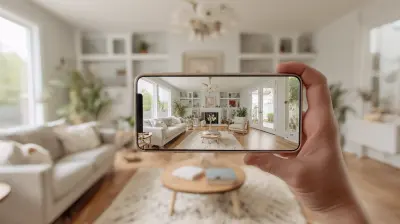
Ninety percent of buyers start their search online. Your photos are the first impression, not the front door. If your photos are bad, buyers will scroll past your listing without a second thought.Hire a professional photographer. Do not use your phone. A professional knows how to capture wide angles, use natural light, and make rooms look their best. The cost is usually a few hundred dollars, and it is the best money you will spend.
Before the photographer arrives, do a final walkthrough. Remove any items that are not in the staged plan. Fluff the pillows, straighten the rugs, and make the beds. Turn on all the lights. Open the curtains. Make sure the toilet seats are down and the mirrors are clean.
If you are staging yourself, take photos at the right time of day. Morning light is best for east-facing rooms. Afternoon light is best for west-facing rooms. Overcast days are actually great for photography because the light is even and soft.
Virtual Staging: A Modern Alternative
Virtual staging is a digital service that adds furniture and decor to photos of empty rooms. It is much cheaper than physical staging, often under a hundred dollars per room. It can be a good option if your home is empty and you cannot afford professional staging.But there are downsides. Virtual staging can look fake. Buyers know when a sofa is not really there. If the proportions are off or the lighting does not match, it looks like a cartoon. That damages your credibility.
Also, virtual staging only works for photos. When buyers walk into an empty room, the contrast is jarring. They expected a furnished space and got a blank box. That disappointment can kill a sale.
Use virtual staging only if you are in a market where most listings are vacant. In a competitive market, it might be enough to get buyers in the door. But do not rely on it. Physical staging is almost always better.
The Final Walkthrough Before Showings
You have decluttered, cleaned, painted, and arranged. Now you need a system to keep it that way. The day before a showing, do a quick reset.- Make all the beds
- Put away dishes and laundry
- Empty the trash
- Wipe down the kitchen and bathroom counters
- Fluff the pillows and straighten the rugs
- Close the toilet lids
- Open the curtains and turn on the lights
- Remove your car from the driveway
This takes about 30 minutes. Do it every time you have a showing. It is tedious, but it is the difference between a buyer who lingers and one who leaves after two minutes.
The Emotional Side of Staging
Staging is not just about the house. It is about you. Selling a home is an emotional process. You have memories in every room. It is hard to separate yourself from the space.But you have to. Buyers do not care about your memories. They care about their future. When you stage, you are not erasing your life. You are making room for someone else's. That is the point.
If you struggle with this, remind yourself that the goal is to sell quickly and for a good price. Every item you pack away is a step toward that goal. The faster you sell, the sooner you can move on to your next chapter.
Putting It All Together
Staging is a process, not a single action. It starts with decluttering and ends with the final photo shoot. Between those two points, you clean, paint, arrange, and refine. It is work, but it is work that pays.The key is to be systematic. Go room by room. Do not skip the garage or the hallway. Every space matters. Buyers notice everything, even the closet doors that do not close properly.
And remember, staging does not have to be perfect. It has to be better than the competition. If your home is cleaner, brighter, and more neutral than the house down the street, you win. That is the whole game.
So take the time. Spend the money if you have it. Do the work yourself if you do not. The return on staging is not just a faster sale. It is a higher price, fewer days on market, and less stress. That is worth every hour you put in.
all images in this post were generated using AI tools
Category:
Selling A HomeAuthor:

Lydia Hodge
Discussion
rate this article
1 comments
Paxton McKibben
Staging can truly transform your home and create a warm, inviting atmosphere for buyers. Wishing you all the best in your sale!
August 17, 2026 at 4:34 AM
Lydia Hodge
Thank you! Staging really does make a difference. I appreciate your support!