Timeless Kitchen Upgrades That Boost Property Value
25 August 2026
Let's be honest: the kitchen is the heart of the home, but it is also the wallet of the home. When real estate agents talk about "return on investment," they are usually looking at your backsplash, your countertops, and that old refrigerator that hums like a lawnmower. You do not need a full gut renovation to move the needle on your property's value. You need smart, timeless upgrades that appeal to the broadest possible pool of buyers while making your daily life better in the meantime.
The tricky part is separating fads from fundamentals. A matte black faucet with a touch sensor might look great on Instagram, but will it help you sell your house in five years? Probably not as much as a well-planned lighting scheme or a functional island. This article walks through the upgrades that have proven their worth over decades, not just seasons. We will talk about what works, what does not, and why some "cheap fixes" are actually expensive mistakes in disguise.
Why "Timeless" Matters More Than "Trendy"
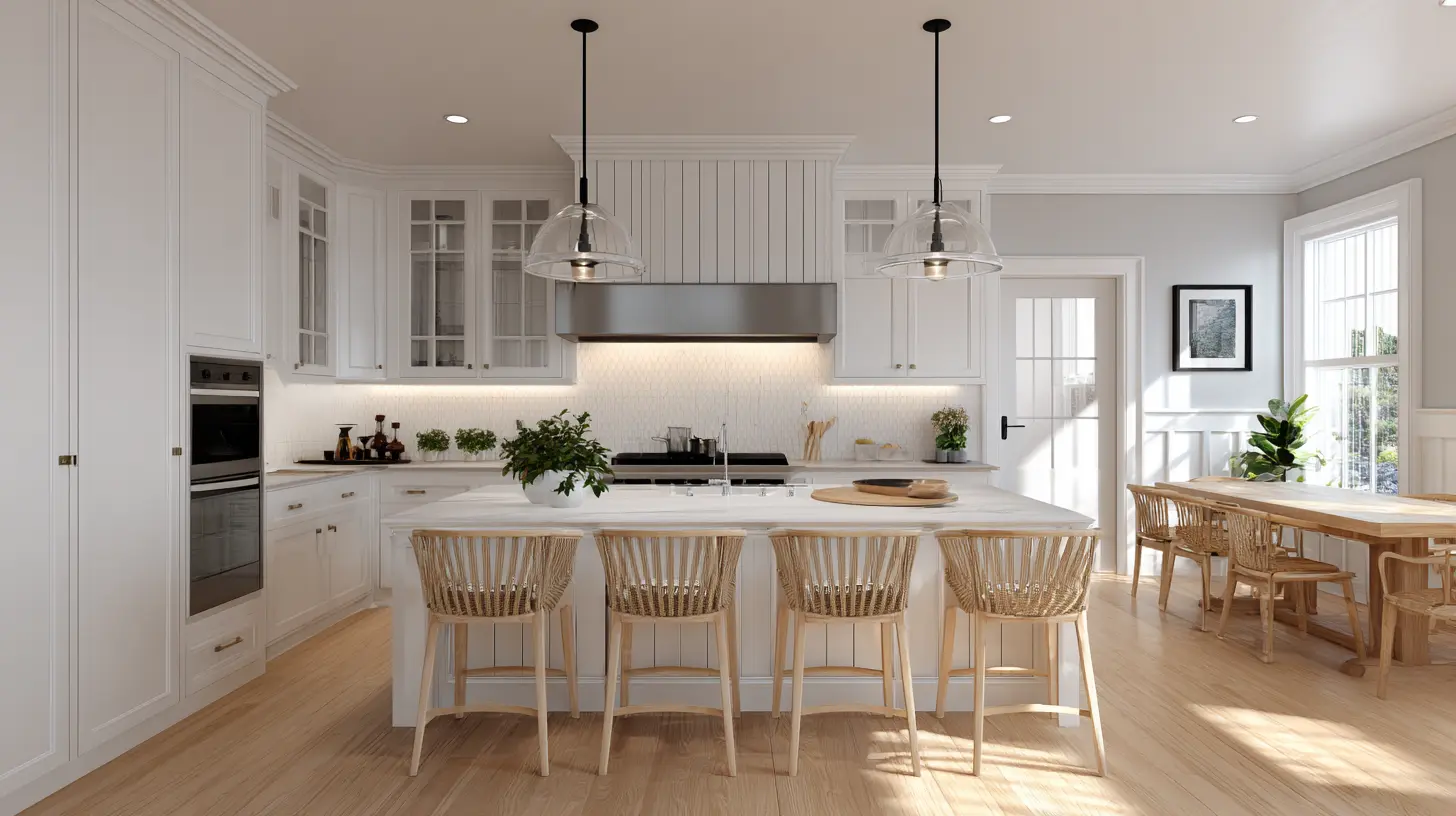
Before we dive into specific projects, we need to address the elephant in the room: trends. Every year, design magazines push a new color palette or a new cabinet style. One year it is all-white shaker cabinets. The next year it is two-tone green and wood. If you chase every trend, you will spend a fortune and end up with a kitchen that looks dated the moment you list it.Timeless does not mean boring. It means choosing materials and layouts that have consistently appealed to homeowners for twenty or thirty years. Think of it like a classic navy blazer. It is not flashy, but it works with everything, fits almost anyone, and never looks out of place. A timeless kitchen is the same. It uses neutral palettes, natural materials, and smart ergonomics that do not rely on a specific era for their charm.
The real value here is psychological. Buyers want a kitchen they can move into without feeling like they have to renovate immediately. If your kitchen is full of bold, personalized choices, you are narrowing your buyer pool. If it is clean, functional, and neutral, you are inviting everyone to imagine their own life in that space. That imagination is what drives offers up.
The Layout Is the Real Asset
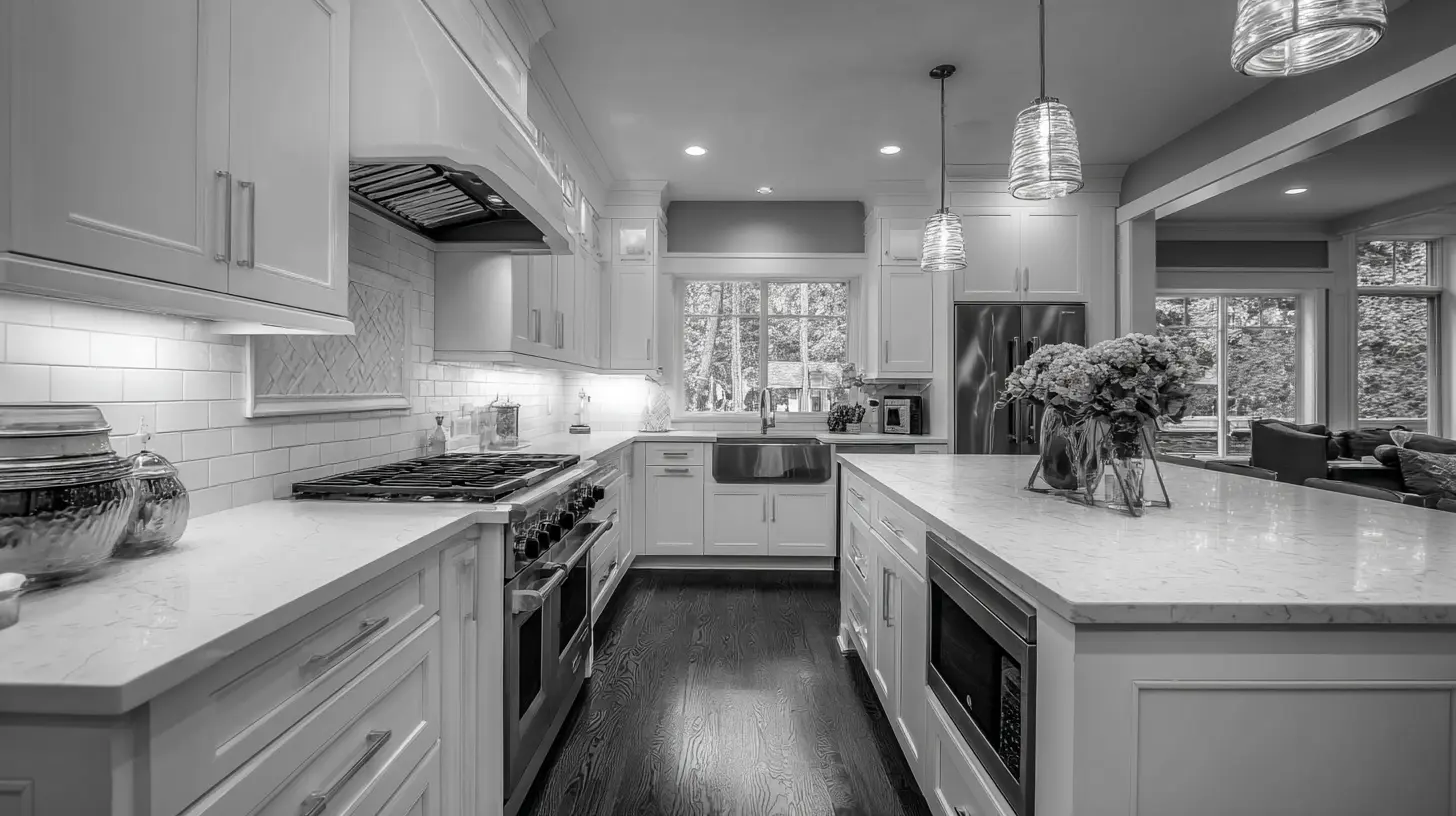
You can spend ten thousand dollars on a fancy range, but if the layout is awkward, the kitchen will still feel cheap. The most valuable upgrade you can make is often not visual at all. It is the flow.The classic "work triangle" between the sink, the stove, and the refrigerator is still the gold standard, but modern kitchens have evolved. We now think about zones: a prep zone, a cooking zone, and a cleaning zone. If your current layout forces you to walk across the room just to grab a spatula, that is a problem buyers will notice, even if they cannot articulate it.
Opening Up the Space
If your kitchen is walled off from the dining or living area, consider removing a non-load-bearing wall. Open concept layouts have been popular for decades, and they are not going away. They make small homes feel larger and allow natural light to flow through the entire ground floor. This is not a cheap project, but it is one of the highest-value structural changes you can make.That said, do not go knocking down walls without professional advice. Load-bearing walls require beams, permits, and engineering. A botched job can cause sagging ceilings and cracks in drywall. If you are unsure, hire a structural engineer for a few hundred dollars. It is the best money you will spend on the entire project.
The Island Question
Islands are almost universally desired, but they are not right for every kitchen. If your kitchen is less than ten feet wide, an island will make it feel like a hallway. Instead, consider a peninsula, which offers the same extra counter space and storage without blocking the main walkway.When you do have room for an island, think about what it will hold. A sink in the island is great for social cooking but can complicate plumbing and eat into your prep space. A cooktop on the island is a trend that many homeowners later regret because of ventilation challenges. The safest bet is a simple countertop extension with seating on one side and storage underneath. That layout works for almost everyone.
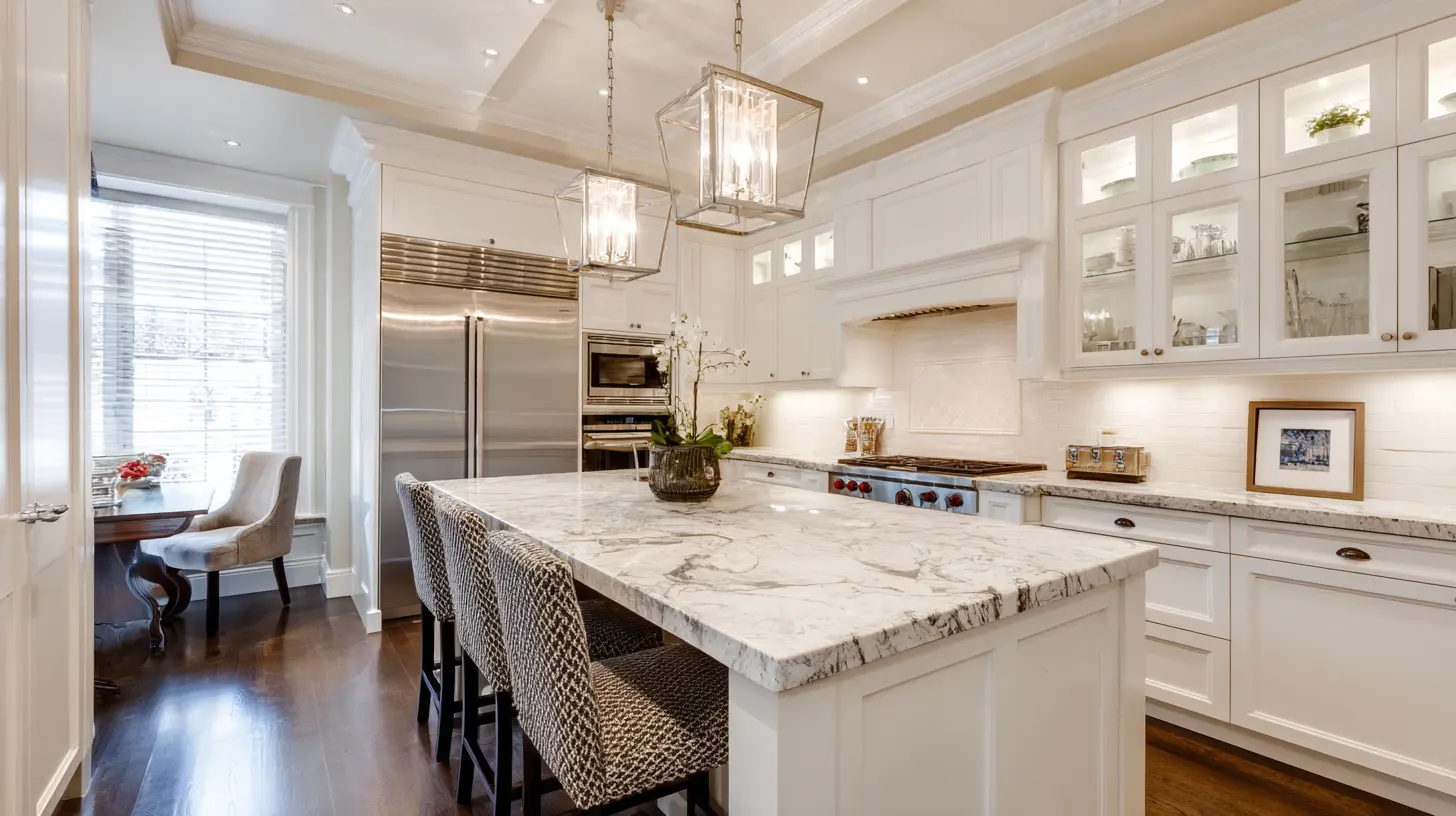
Cabinetry: The Backbone of the Kitchen
Cabinets are the most visible element of any kitchen. They take up the most visual space, and they are the most expensive single item to replace. This is where you need to be very careful about your choices.Refacing vs. Replacing
If your cabinet boxes are solid wood and in good condition, you do not need to tear them out. Refacing involves replacing the doors and drawer fronts while keeping the existing frames. This can save you forty to fifty percent of the cost of full replacement. It is also much faster, often done in two or three days.However, refacing only works if the internal structure is sound. If your drawers stick, the hinges are rusty, or the particleboard is swelling from moisture, you are just putting lipstick on a pig. In that case, full replacement is the better investment. Buyers will open every drawer during a showing. If they feel flimsy, the entire kitchen loses credibility.
The Color Conundrum
White cabinets have dominated for years, and for good reason. They make a space feel bright, clean, and larger. But pure white can feel sterile, especially if your walls are also white. Off-white, cream, or light greige are safer bets because they add warmth without sacrificing brightness.Dark cabinets, like navy or charcoal, are dramatic and can be stunning in a large, well-lit kitchen. But they show every fingerprint, every water spot, and every crumb. If you have kids or pets, they will be a constant battle. For resale value, stick to light or medium tones. You can always add drama with hardware and accessories.
Hardware: The Jewelry of the Kitchen
Cabinet hardware is the cheapest upgrade you can make, and it has an outsized impact. Brushed nickel and matte black are both safe choices that work with almost any style. Avoid ornate, overly decorative handles. They date quickly and can look cheap. Go for simple, substantial pieces that feel good in your hand. Buyers will touch these every single time they open a cabinet, so quality matters.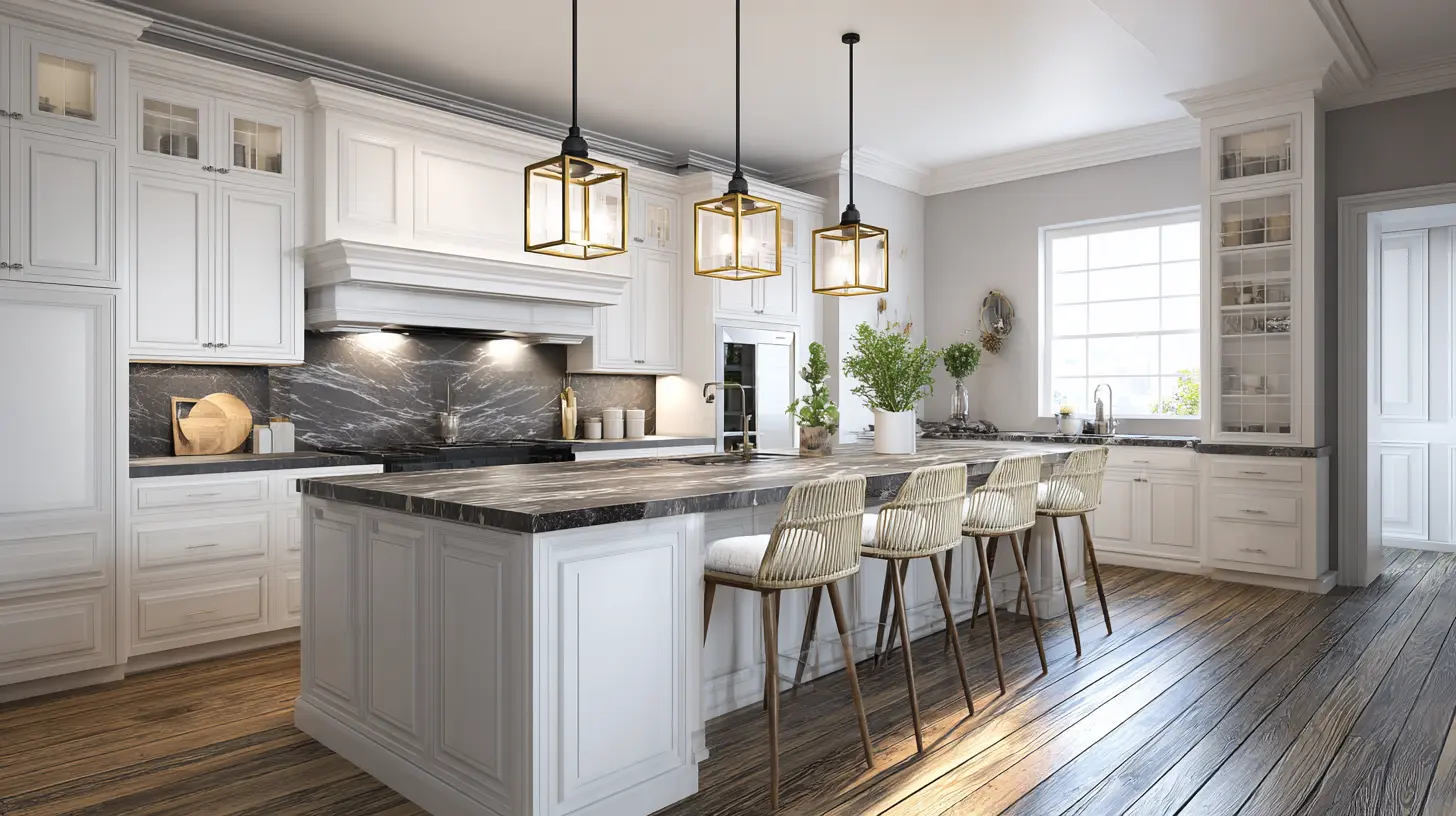
Countertops: The Surface That Sells
Countertops are the second most visible element, and they are where many homeowners overspend. Granite was the king for years, but quartz has taken over for a reason.Quartz vs. Granite vs. Solid Surface
Quartz is an engineered stone made of crushed quartz and resin. It is non-porous, which means it does not need sealing, and it resists staining and bacteria. It comes in a huge range of colors, including patterns that mimic marble without the maintenance headaches. This is the best all-around choice for most families.Granite is natural stone, and each slab is unique. It is heat resistant and durable, but it is porous. You have to seal it regularly, and acidic liquids like lemon juice can etch the surface if left too long. Some buyers still prefer granite because it is "natural," but the maintenance requirement turns many people off.
Solid surface materials like Corian are softer and easier to scratch. They are also less expensive, but they do not add as much value to a home. If you are flipping a property or selling soon, quartz is the sweet spot. It looks high-end, performs well, and appeals to a wide audience.
The Edge Profile Matters
You might not think about the edge profile, but it is a detail that separates a custom kitchen from a builder-grade one. A straight, square edge is modern and clean. A bullnose edge is soft and traditional. A beveled edge adds a subtle detail that catches light. Avoid anything too ornate, like ogee edges, which can look dated. A simple eased edge is the safest and most timeless choice.Backsplash: Function Meets Fashion
The backsplash is your chance to add personality without committing to something permanent. Subway tile is the classic choice, and it has been popular for over a century. It is inexpensive, easy to install, and works with both modern and traditional styles. The key is the grout. White grout with white tile is clean but can look flat. A light gray grout adds definition without being too busy.Large-format porcelain tiles are another good option. They have fewer grout lines, which makes the wall look seamless and easier to clean. Marble tiles are gorgeous but high-maintenance. They stain and etch easily, especially behind a stove where splatters are common. If you love the look of marble, use it sparingly, like a small strip behind the range, and use something more practical elsewhere.
Lighting: The Most Overlooked Value Multiplier
Most kitchens have one overhead light in the center of the ceiling. That is a mistake. It creates harsh shadows and makes the room feel flat. Good lighting is layered. You need ambient light, task light, and accent light.Under-Cabinet Lighting
This is the single best lighting upgrade you can make. It illuminates the countertop where you actually work, eliminating shadows from your own body. LED strip lights are inexpensive, easy to install, and last for years. They also add a warm, inviting glow that makes the kitchen feel more expensive than it is. Buyers notice this immediately, even if they do not know why.Pendant Lights Over the Island
Pendants serve as both task lighting and decorative focal points. Hang them about thirty to thirty-six inches above the countertop. Too high, and they lose their effect. Too low, and they block your view. Choose shades that are open at the bottom to direct light downward. Avoid dark, heavy shades that make the space feel closed in.Dimmer Switches
This is a cheap upgrade that changes the entire mood of the room. A dimmer on your main kitchen lights lets you go from bright and functional to soft and intimate for dinner parties. It costs about fifty dollars for a good dimmer and an hour of your time. It is one of the highest-ROI projects you can do.
Appliances: Stainless Steel Is Still King
If your appliances are older than ten years, they are hurting your home's value. But you do not need to buy the most expensive models. The key is consistency. A kitchen with three stainless steel appliances and one white dishwasher looks mismatched. Buyers will assume you cut corners.The Smart Appliance Trap
Smart refrigerators with touchscreens and cameras are cool, but they are also expensive and prone to obsolescence. The software will be outdated in five years, and the hardware will be impossible to repair. Buyers are not looking for a tablet on their fridge. They are looking for a reliable, energy-efficient model with good storage layout.Stick to basic stainless steel. If you want to spend extra, put it into the range and hood, because that is what serious cooks look at. A high-quality gas range with a powerful vent hood signals that the kitchen is built for real cooking. That is a strong selling point.
Induction Is the Future
If you are replacing a cooktop, consider induction. It heats faster than gas, is safer because there is no open flame, and is easier to clean because the surface is flat. Some buyers are still wary of it, but the trend is growing. If you are selling soon, gas is still the safest bet. If you are staying for a while, induction is a smart investment that will feel modern for years.Sinks and Faucets: Small Details, Big Impact
The sink is the most used item in the kitchen. A deep, single-basin stainless steel sink is the current favorite. It fits large pots and baking sheets, and it is easier to clean than a divided sink. Farmhouse sinks, with their exposed front, are charming but require custom cabinetry and can be very heavy. They are a style choice that does not appeal to everyone.The Pull-Down Faucet
A high-arc pull-down faucet is the standard for a reason. It makes filling pots and washing dishes easier. Look for one with a magnetic docking system so the spray head snaps back into place securely. Avoid touchless faucets unless you are willing to deal with battery changes and sensor failures. They are convenient but not worth the maintenance hassle for most people.
Flooring: The Foundation of the Look
Flooring is often forgotten in kitchen renovations because people focus on cabinets and counters. But the floor takes a beating. It needs to be waterproof, durable, and comfortable to stand on.Hardwood vs. Tile vs. Luxury Vinyl
Hardwood in a kitchen is beautiful but risky. Water can warp it, and dropped dishes can dent it. If you have a true open plan and the wood flows from the living room, it can work, but you need to be disciplined about sealing and wiping up spills immediately.Porcelain tile is the most durable option. It is waterproof, scratch-resistant, and comes in styles that mimic wood or stone. The downside is that it is hard and cold underfoot. You will want area rugs in front of the sink and stove.
Luxury vinyl plank (LVP) has become the smart choice for many homeowners. It looks like wood, feels warmer than tile, and is completely waterproof. Modern LVP is much better than the vinyl of the past. It is also cheaper than hardwood or tile, which leaves more budget for other upgrades. This is a great option for rental properties or homes with heavy foot traffic.
The Mistakes That Kill Value
Let us talk about what not to do. These are common mistakes that seem like good ideas at the time but end up hurting your resale value.Over-Personalizing
A bright red backsplash or a custom wine fridge with a built-in keg might be your dream, but it is a nightmare for the average buyer. You are not selling to yourself. You are selling to a family with two kids and a dog who wants a normal kitchen. Save the wild choices for your next house.Removing Storage for Style
Open shelving looks airy and modern in photos, but it is impractical. It collects dust, and you have to keep your dishes perfectly organized because everything is visible. Most buyers prefer closed cabinets for storage. If you love open shelves, use them for a small section, like a coffee station, and keep the rest closed.Cheap Fixtures
A builder-grade faucet or a plastic light fixture will stand out like a sore thumb next to nice cabinets and counters. Buyers are not fooled by a $30 faucet. They will assume the plumbing is also cheap. Spend a little more on fixtures. They are the pieces you touch and use every day, and they are worth the extra hundred dollars.Ignoring Ventilation
A range hood that just recirculates air through a charcoal filter is not enough. It does not remove smoke, grease, or odors effectively. You need a vent that exhausts to the outside. This is not glamorous, but it is essential for keeping your kitchen clean and your home smelling fresh. If you are doing a major renovation, this is the time to run the ductwork.
Real-World Examples: What Actually Happens
Imagine two homes on the same street, both three-bedroom ranches from the 1980s. Home A has original oak cabinets, laminate counters, and a fluorescent light box. Home B has refaced white shaker cabinets, quartz counters, under-cabinet lighting, and a stainless steel sink. Both are the same square footage. Home A lists for $350,000 and sits on the market for two months. Home B lists for $385,000 and gets multiple offers in the first week.The difference is not just the materials. It is the feeling. Home B feels cared for. It feels like someone invested in making the space functional and beautiful. Buyers are willing to pay a premium for that feeling because they do not want to do the work themselves.
Another example: a homeowner spent $15,000 on a high-end Italian range. They loved it, but the rest of the kitchen was dated. When they sold, the appraiser gave them no credit for the range because it was out of place with the rest of the room. The buyers saw it as a liability, not an asset. They worried about repair costs and whether the previous owner had neglected other areas to afford that range.
The lesson is balance. You do not need every element to be top-of-the-line. You need everything to be consistent and functional.
Budgeting and Prioritization
If you have a limited budget, here is the order of operations that gives you the most bang for your buck.First, fix the lighting. Add under-cabinet lights and replace any outdated fixtures. This is cheap and immediate.
Second, update the hardware. New knobs and pulls can transform tired cabinets.
Third, replace the faucet and sink. A deep stainless steel sink with a pull-down faucet is a huge upgrade for under $500.
Fourth, paint or reface the cabinets. If the boxes are solid, this is the highest-impact visual change.
Fifth, replace the countertops. Quartz is the best value here.
Finally, upgrade the appliances if they are old and mismatched. Do this last because it is the most expensive, and you want to know what your budget looks like after the other projects.
The Bottom Line
A timeless kitchen is not about chasing the latest trend or spending the most money. It is about making smart, durable choices that appeal to the broadest audience. Focus on layout, lighting, and quality materials. Avoid over-personalization and cheap shortcuts. Think about how a buyer will use the space, not just how it looks in a photo.When you invest in these upgrades, you are not just improving your home. You are improving your daily life. You get to enjoy a beautiful, functional kitchen while you live there, and when it is time to sell, you reap the financial reward. That is the best kind of investment, one that pays off twice.
all images in this post were generated using AI tools
Category:
Home ImprovementAuthor:

Lydia Hodge
Discussion
rate this article
1 comments
Zephyrian Martinez
Investing in classic kitchen upgrades truly pays off. They enhance both functionality and style, making a home more appealing and valuable to buyers.
September 13, 2026 at 10:34 AM